The "Eye-Level" Supermarket Rule That Costs Shoppers Hundreds Every Month
My mother sent me to the shop for her tinned tomatoes, a specific cheap brand she's bought for thirty years, and I came back and told her the store didn't stock them anymore. She went herself the next day and found them in ninety seconds. They were on the bottom shelf, about eight inches off the floor, exactly where they'd always been.
I had stood in that aisle for a full minute and my eyes had never gone below chest height. Not once.
That bothered me enough that I kept my grocery receipts for three months and actually added things up, and what I found was genuinely annoying: I was paying 40 to 60% more than I needed to on maybe a third of my basket, not because I'd chosen premium products but because I'd been buying whatever was directly in front of my face. The shop had made those decisions for me and I'd experienced it as shopping.
Why eye level costs you money
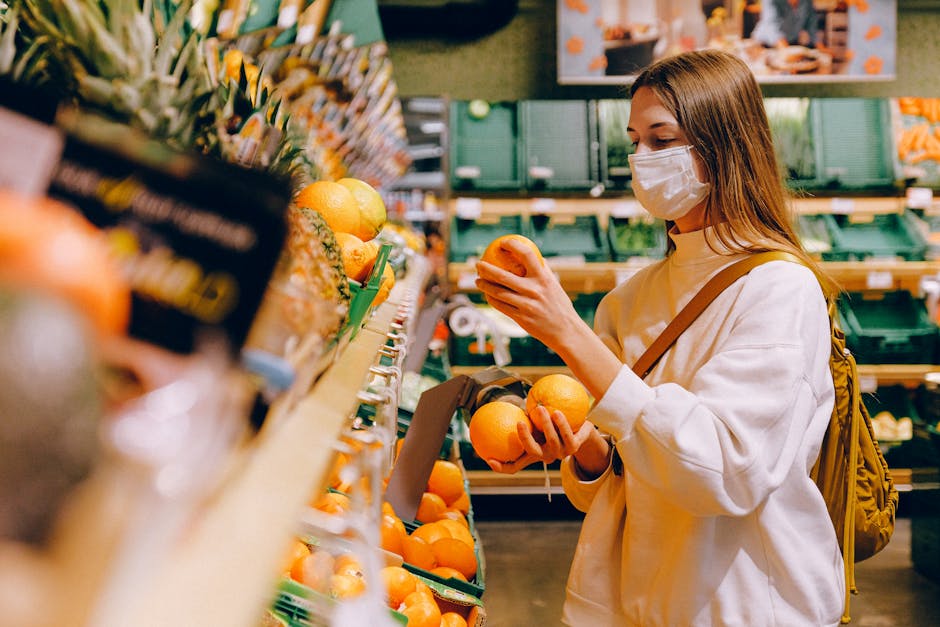
Shelf space in a supermarket isn't neutral and it isn't random. Prime positions, roughly between your chest and the top of your head, get dramatically more sales than the shelves above and below, because that's where people look and reach without thinking.
Those positions are allocated deliberately, and in much of the industry they're effectively bought: manufacturers pay for placement and promotion, and those costs are carried in the price of the product. The result is that the eye-level band tends to hold the highest-margin, most heavily marketed items, while store brands and plain value options get pushed to the bottom shelf and bulk or specialty sizes go up top.
It's not a conspiracy, it's merchandising, and it's extremely effective: the whole system is built on the fact that reaching and bending feel like work and looking straight ahead doesn't. Which means the countermeasure is almost insultingly simple: look up and look down.
Step 1: Scan every aisle top to bottom, once
In the aisles you actually buy from, deliberately look at the top shelf and the bottom shelf before you pick anything up. You're looking for the same product in a plainer package or a bigger size. Do this properly on one shop and you'll never need to do it again for those items, because you'll know where your things live. It added about twenty minutes to my first trip and zero minutes to every one since.

Step 2: Read the unit price, not the shelf price
On the shelf label, find the small figure that says price per kilo, per liter, or per 100g, and compare on that number only. Package sizes are deliberately non-standard across brands, 340g next to 400g next to "family size", which makes headline prices genuinely impossible to compare in your head. The unit price is the only honest number on the label, and it's usually printed in the smallest type on the tag.
My Expert Tip: Check the unit on the tag, not just the number. Adjacent products are frequently priced in different units, one tag reads per 100g, the neighboring one per kilo, a third per item, and if you compare 0.45 against 4.50 without noticing the units differ, you'll confidently pick the more expensive one while feeling like a careful shopper. I did this for months with coffee. It's the single most common way the unit-price system fails, it's usually just messy labeling rather than anything deliberate, and it takes one extra second to catch. Same units, then compare.
Step 3: Give the bottom shelf a proper look
Crouch down and actually read the bottom shelf in the categories you buy weekly: tinned goods, pasta, rice, flour, cleaning products, spices. This is where store brands and no-frills packaging live. For commodity staples the difference in the product is often small or nonexistent; plenty of own-brand goods are made in the same facilities as the branded version, with different packaging. Spices were my worst category: I was paying three times the price for the same cinnamon in a nicer jar.
Step 4: Treat end caps as advertising, not as deals
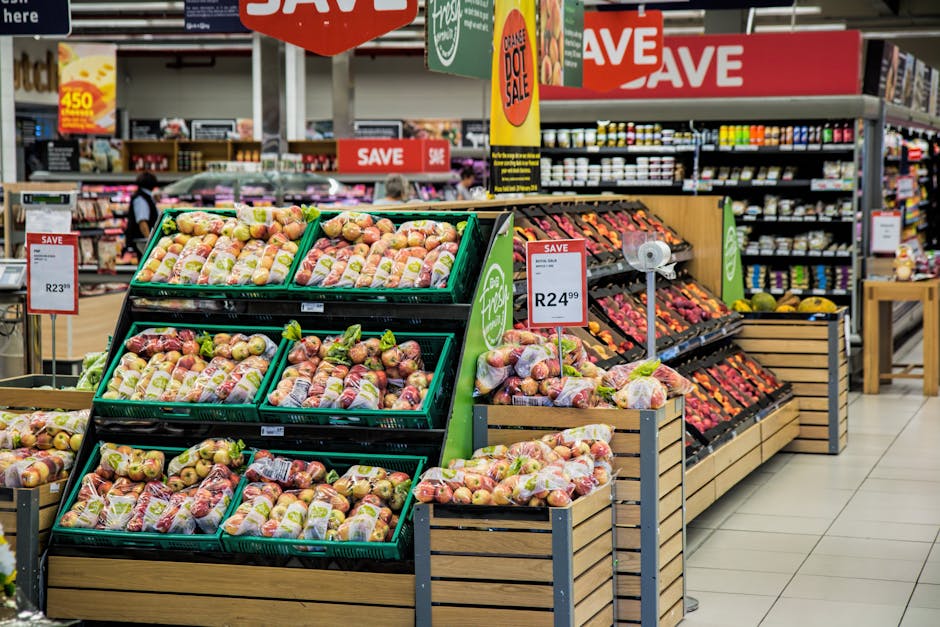
When something is stacked at the end of an aisle with a big sign, walk into the aisle and check the regular shelf price before you take it. End caps are the most valuable display space in the store and they are frequently used for full-price stock that simply looks promotional. Sometimes it's a real discount. The point is that the display tells you nothing either way, and thirty seconds of checking converts a guess into a fact.
Step 5: Do the multibuy arithmetic out loud
For any "3 for $5" or "2 for 1" offer, work out the per-item price and compare it to the single price. Multibuys are often genuinely good and occasionally worse than buying one. More importantly, they only save you money on things you were going to buy anyway: three of something you use once a month is not a saving, it's a cupboard. I buy multibuys on staples and essentially never on anything perishable.

Step 6: Know about the other eye level
Look at the shelf height of the sugary cereals, the candy, and the character-branded snacks: roughly a meter off the floor. That's not your eye level. It's a four-year-old's, and it's deliberate. If you shop with kids, walking down the opposite side of the aisle genuinely reduces the number of negotiations you have to have, and going alone once a fortnight for the big shop is worth more than most budgeting apps.
What three months of receipts told me
My weekly shop went from about $600 a month to roughly $465 without changing a single thing about what we eat: same meals, same quantities, mostly the same products in less decorated packaging. That's about $135 a month, or $1,600 a year, for twenty minutes of looking up and down one time.
Your number will be different, and I'd gently say don't trust mine or anyone else's: keep your own receipts for a month and find out what your actual basket looks like. That exercise was worth more than any tip in this article, because it showed me exactly which categories I was losing on and they weren't the ones I'd have guessed.
A few things aren't worth switching, and that's fine. I've tried four own-brand coffees and gone back to the expensive one every time. The point isn't to buy the cheapest of everything: it's to be the one deciding, rather than letting shelf height decide for you.
Next time you're in a shop, crouch down and look at the bottom shelf in one aisle you buy from every week: then hit the share buttons below and send this to whoever does the grocery run in your house.