The Frozen Spoon Trick That Instantly De-Puffs Dark Under-Eye Circles in the Morning
I once spent $48 on a caffeine eye serum with a little metal rollerball, on top of the $22 jade roller I'd bought the month before, because I was tired of showing up to morning meetings looking like I'd been up all night arguing with someone.
Both of them did something. Specifically, both of them did the thing that anything cold does, which I discovered by accident on a morning when the serum had run out and I pressed a teaspoon from the fridge against my face out of pure desperation.
The spoon worked better. It's free, it takes three minutes, and, this is the part that took me longer to understand, it only fixes one of the two things I'd been trying to fix. Puffiness and darkness are different problems, and cold only addresses one of them.
Puffiness and dark circles aren't the same thing
Morning puffiness is fluid. You've been lying flat for eight hours, and the skin around the eye is the thinnest on your body with very loose tissue underneath, so fluid settles there overnight and takes a while to drain once you're upright. Salt, alcohol, crying and allergies all make it worse.
Cold genuinely helps that. Chilling the area constricts small blood vessels and reduces swelling: it's the same reason you put something cold on a bumped knee. The catch is that it's temporary, roughly an hour, because you haven't changed anything about why the fluid was there.
Dark circles are usually one of three other things. Shadow cast by the natural hollow under the eye, which is anatomy and gets deeper with age. Visible blue-purple blood vessels showing through very thin skin. Or genuine pigmentation in the skin itself, which is often hereditary. Cold does essentially nothing for any of those, which is exactly why my expensive serum kept "not working": I was treating the wrong problem with the right product.
Step 1: Chill two metal spoons overnight
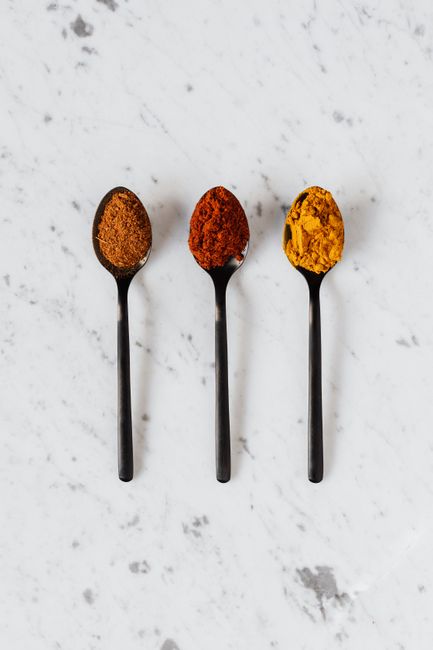
Put two metal teaspoons in the fridge before bed: the fridge, not the freezer. Metal holds and transfers cold far better than a gel pack, and the curve of a spoon happens to fit the eye socket almost perfectly. Freezer spoons get cold enough to stick to skin and risk an ice burn on the thinnest skin you own; fridge-cold is plenty. Two spoons means you can alternate as they warm.
Step 2: Press, don't drag: 30 to 60 seconds a side
Rest the back of the spoon gently against the puffy area, sitting on the bone below the eye rather than on the eyeball, and hold for 30 to 60 seconds before swapping to the second spoon. Press and hold; don't rub or drag, because that skin is delicate and pulling at it does no favors in the long run. And time it deliberately: the effect lasts around an hour, so do it twenty minutes before you leave the house rather than the moment you wake up.

Step 3: Work out which problem you actually have
Stand at a mirror in good light and try two things: lie down for a minute and look again, then gently stretch the skin sideways with a fingertip. If the darkness largely disappears when you're lying flat, it's shadow from the hollow. If gently stretching the skin makes it lighter, you're mostly seeing vessels through thin skin. If it stays the same brown either way, it's pigmentation. Each of those has a different answer, and none of them is a spoon.

My Expert Tip: Stop rubbing your eyes, and take allergies seriously if you have them. Chronic rubbing is one of the most underrated causes of both puffiness and darkening, the friction irritates and inflames the thinnest skin on the body, and repeated inflammation can leave pigmentation behind that long outlasts whatever made you rub in the first place. Untreated allergies produce the classic pattern doctors call "allergic shiners": congestion slows drainage of the small veins under the eyes and they show through as dark, slightly puffy shadows. So if your circles are worse in spring, or you wake up congested, the useful intervention isn't a cream, it's sorting out the allergies with a pharmacist or doctor. I spent two years treating a symptom whose cause was hay fever and a habit.
Step 4: Change the night before, not just the morning
Sleep with your head slightly elevated on an extra pillow, and notice what a salty dinner or a couple of drinks does to your face the next day. Elevation lets fluid drain rather than pool, and it's the single most effective thing on this list for morning puffiness. Salt and alcohol both encourage fluid retention, and most people can see the difference on their own face within a day or two of paying attention. Sleep quantity matters too, though less dramatically than the internet suggests.
Step 5: Match the treatment to the cause
Shadow responds to nothing you can put on it: that's a conversation with a dermatologist if it genuinely bothers you. Pigmentation responds to daily sunscreen and, over months, to specific ingredients. Thin skin showing vessels responds to time and gentleness, and to concealer. Sunscreen is the one genuinely useful product for the pigmented type, because sun exposure darkens it steadily and invisibly. And be realistic: no cream removes a structural hollow, whatever the packaging says.

Step 6: Know when puffiness isn't cosmetic
See a doctor for swelling around one eye only, especially with pain, redness, warmth, fever or any change in vision, and seek urgent help for sudden facial swelling with difficulty breathing. Those are different situations entirely from waking up looking tired. It's also worth a check if facial puffiness is new, persistent through the day, or comes with swelling elsewhere, since general fluid retention can relate to thyroid, kidney or other issues worth ruling out.

What I actually use now
Two spoons in the fridge, three minutes, free, and they work about as well as the $48 serum did, because the only active ingredient in that serum's morning performance was that it came out of a cold bottle. I use them before anything where I'd rather not look exhausted, and I skip them the rest of the time.
The bigger result came from the mirror test in step three. Mine turned out to be mostly shadow, plus a pigmentation component from years of rubbing at hay fever. Sorting out the allergies did more for my face than every product I've bought put together, and it cost about $9.
The spoons are the hack. Knowing which of the three things you're looking at is the part actually worth passing on.
Put two spoons in your fridge tonight and do the mirror test in the morning: then hit the share buttons below and send this to whoever's currently three weeks into a $50 eye cream.