Why Storing Apples Next to Potatoes Stops Them From Sprouting (And When It Backfires)
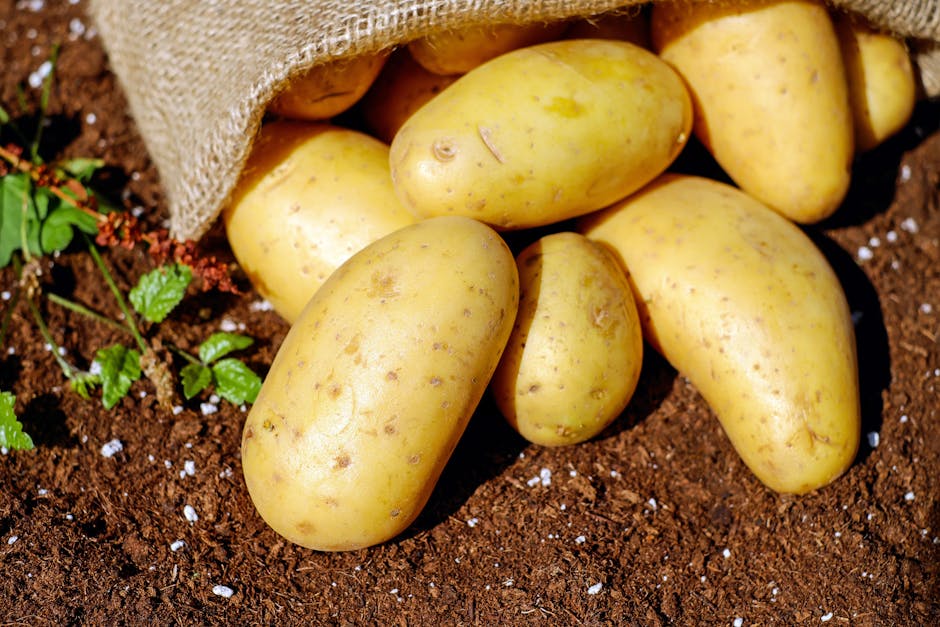
I bought a 5kg sack of potatoes because it was on offer, and three weeks later I opened it to find something closer to a science experiment: pale tentacles six inches long, coiling out of the bag and feeling their way toward the back of the cupboard. Two of them had gone green. One was soft enough that I'd rather not describe it.
Looking back, I had managed to make every possible mistake at once. They were in the original plastic bag, sealed, in the warm cupboard under the sink, directly next to a net of onions.
So I went looking for the apple trick everyone mentions, and found something more interesting than a hack: the experts genuinely disagree about this one, and the reason why is worth understanding, because it tells you exactly which parts of potato storage actually matter.
Why the apple advice is contested
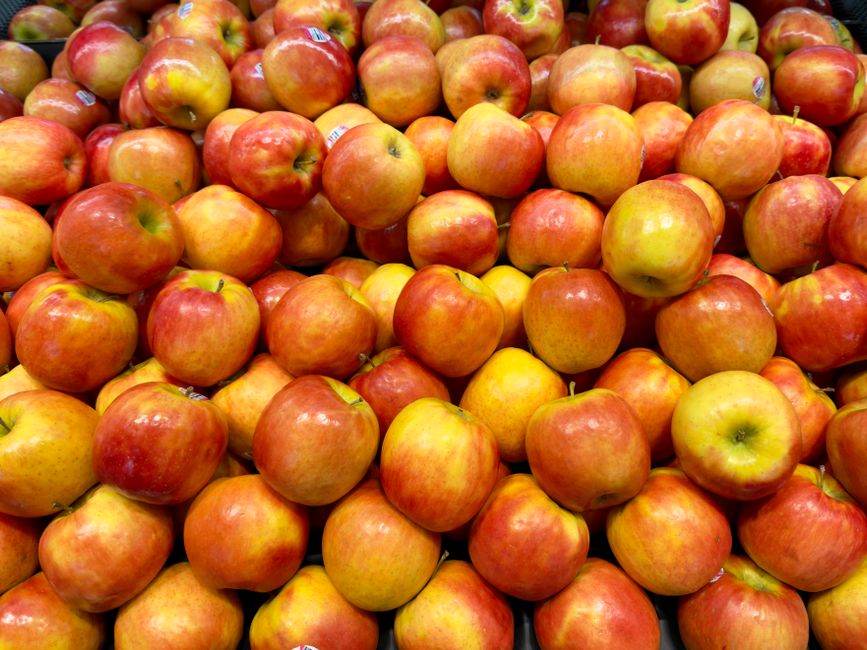
Apples give off ethylene, the gas that ripens fruit. Ethylene also affects potato dormancy, and here's the interesting part, it does so in more than one direction depending on dose and timing.
On the "it works" side: continuous low-level ethylene is used commercially as a sprout suppressant in professional potato stores, and there's published horticultural work finding that storing tubers with apples delays sprouting.
On the "don't do it" side: consumer food safety guidance frequently tells you to keep potatoes away from apples, bananas and other ethylene producers, on the grounds that it encourages early sprouting and changes flavor. Short bursts of ethylene can break dormancy rather than hold it, and ethylene exposure also nudges potatoes toward converting starch into sugar, which makes them taste sweeter and brown faster when fried.
Both can be true. A controlled commercial store with continuous dosing and proper ventilation is not the same thing as one apple in a paper bag in your kitchen. So my honest position: it's a cheap experiment worth running yourself, and it is nowhere near as important as the four boring conditions below, which are not disputed by anybody.
Step 1: Get the temperature right: cool, not cold, not warm
Aim for somewhere in the range of about 7 to 12°C: a pantry, a garage, a cellar, an unheated hallway cupboard. Warm is what wakes potatoes up, and the cupboard next to the oven or under the sink is usually the warmest storage in the kitchen. Get this right and you've solved most of the sprouting problem before any apple gets involved. Properly stored, they'll hold for around a month.
Step 2: Dark is non-negotiable
Keep them in complete darkness: a paper sack, a cardboard box, a covered basket, a closed cupboard. Light is what turns potatoes green, and green means the tuber is producing glycoalkaloids, which is a safety issue rather than a cosmetic one. That's also why you shouldn't leave them in a pretty open bowl on the counter, however good it looks. Clear plastic on a shelf is the worst of both worlds: light in, moisture trapped.

Step 3: Let them breathe, and keep the onions away
Take them out of the sealed plastic bag and put them somewhere ventilated, paper, mesh, or a box with holes, and store onions somewhere else entirely. Sealed plastic traps the moisture potatoes give off, and damp is what turns a sprouting potato into a rotting one. The onion rule is the storage advice with the most agreement behind it: onions and potatoes stored together spoil each other noticeably faster.

Step 4: Run the apple experiment properly
Split your potatoes into two identical paper bags, put one apple in one of them, store both in the same cool dark spot, and look at them after three or four weeks. That's a real test and it costs you an apple. Given that respected sources land on both sides of this, your own kitchen is the only place you'll get an answer that applies to your conditions. If the apple bag does better, you've got a free trick. If it sprouts first, you've learned something the internet couldn't tell you.
My Expert Tip: Taste is your warning system, and cooking does not fix it. The glycoalkaloids that build up in green and sprouted potatoes, solanine among them, are heat-stable, so boiling, roasting or frying a green potato does not make it safe. They taste distinctly bitter, and that bitterness is the signal: if a cooked potato tastes sharp or bitter, stop eating it rather than pushing through. The practical rule is to cut away sprouts, green patches and damaged spots generously, take more than looks necessary, since the compounds spread beyond the visible green, and simply discard any potato that's extensively green, badly shrivelled, or bitter. Sprouting itself isn't a reason to throw out a firm potato; greening and bitterness are.
Step 5: The fridge is no longer off-limits
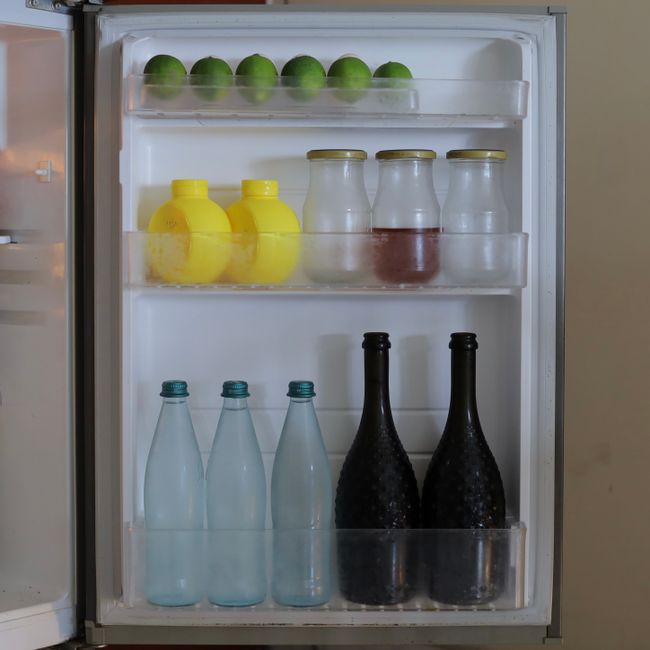
If you've got nowhere cool, the fridge is now considered a reasonable option. The old advice was to avoid it because cold converts starch to sugar and raises acrylamide formation when frying at high heat. More recent assessment is that home refrigeration doesn't meaningfully increase that risk compared with a cool dark cupboard, and food bodies have updated their guidance accordingly. You may still notice slightly sweeter potatoes and faster browning, which matters most for chips and roasties and barely at all for mash or boiling.
Step 6: Buy for how fast you actually cook
Buy loose, check for firmness and no green, and resist the big sack unless you genuinely have the storage and the appetite. My 5kg bargain cost me about half of it. Potatoes also bruise in ways you can't see at the shop, and a bruised tuber breaks down faster than its neighbors and takes them with it, so it's worth a quick sort through the bag when you get home and using anything soft first.

Where I've ended up
I ran the two-bag test. In my kitchen the apple bag was modestly better at four weeks, fewer and shorter sprouts, but the difference between both of those bags and my old under-the-sink plastic-bag-next-to-the-onions setup was enormous by comparison. That's the real lesson: the apple is a rounding error next to cool, dark, dry and ventilated.
I now keep potatoes in a paper sack in the coolest cupboard I have, onions on the opposite side of the kitchen, and yes, an apple in with them, because it costs nothing and my own test came out mildly positive.
The bit I'd genuinely urge people to take away is the bitterness rule. Sprouts are fine to cut off; bitter is not something to cook your way past.
Go check the bag in your cupboard right now for green patches: then hit the share buttons below and send this to whoever in your house buys the big sack because it's better value.