The Warm Water & Himalayan Salt Morning Habit That Fixes Chronic Fatigue
For about eight months I was useless by eleven in the morning. Not sleepy exactly: flat. I'd had my three coffees, I'd done nothing physically demanding, and I'd be sitting there rereading the same email with the enthusiasm of a wet towel.
So when the warm-water-and-pink-salt thing came round my feed for the fourth time, I bought the $9 bag and did it every morning for thirty days, and I kept notes, because I'd got tired of trying things and then arguing with myself about whether they'd worked.
Here's what I found, including the bits that don't fit the usual version of this article: part of it is real, the pink is irrelevant, and the thing that actually moved the needle for me wasn't in the glass.
Separating the three claims
There are really three things bundled together here, and they have very different amounts of evidence behind them.
Water in the morning. Reasonable. You've gone eight hours without drinking, and even mild dehydration is associated with poorer concentration, worse mood and more fatigue. Drinking a glass of water when you get up is a sensible, free habit. It's also not dramatic, and anyone telling you it transforms your life is overselling a glass of water.
The salt. Genuinely useful for some people and genuinely risky for others, which is the part nearly every version of this leaves out: more on both below.
The pink. This is the bit I'd let go of. Pink Himalayan salt is around 98% sodium chloride, same as the stuff in the cupboard, and its famous trace minerals are present in amounts far too small to matter nutritionally: you'd need a medically dangerous quantity of salt to get a meaningful dose of anything. It's also usually not iodized, while ordinary table salt often is, and iodine is something people actually need. Prettier crystals, same molecule.
And to be direct about the headline: this is not a treatment for chronic fatigue syndrome, which is a serious medical condition. Persistent exhaustion deserves a proper look, and the last step covers that.
Step 1: Start with the part that's uncontroversial
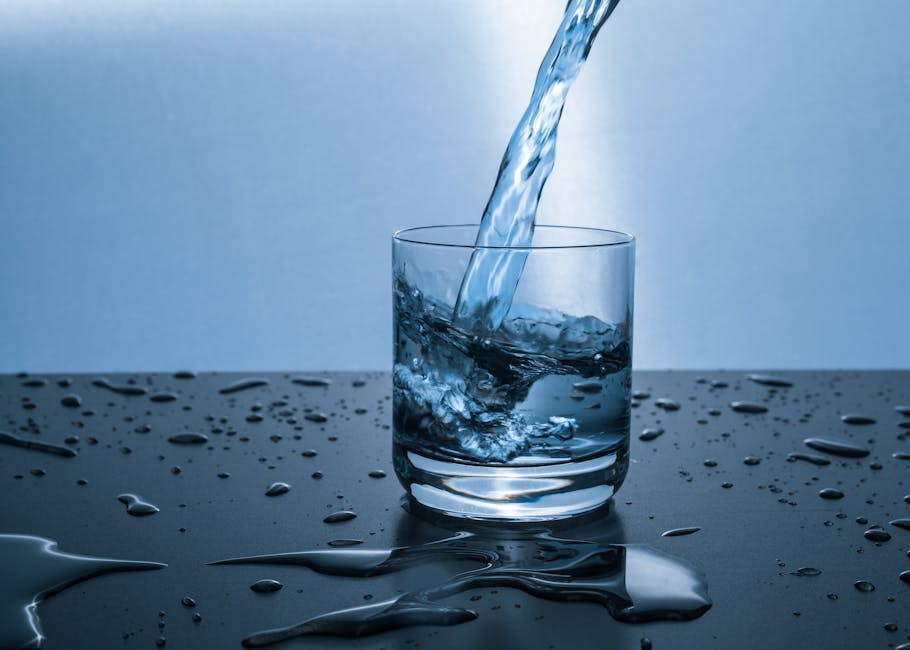
Drink a large glass of plain water when you get up, before coffee. Room temperature or warm is easier to get through quickly than cold, which is probably the whole reason the "warm water" version caught on. This costs nothing, carries no risk for anyone, and on its own accounts for most of whatever benefit people report from the full ritual. Do this for a week before adding anything to it, so you can tell what's doing what.

My Expert Tip: Pay attention to whether you feel worse specifically on standing up, dizzy, heart pounding, vision greying at the edges, needing to sit back down. That pattern is orthostatic intolerance, and it's the reason this hack has such a devoted following: deliberately increasing fluid and salt intake is a genuine, clinician-recommended strategy for conditions like POTS, which overlaps heavily with long-term fatigue and long COVID. For someone with that, salt water in the morning isn't folklore, it's roughly what a specialist would suggest, at proper doses, with monitoring. So if that's you, the useful move isn't a bigger pinch of pink salt, it's telling a doctor about the standing-up part specifically. It's an easy thing to test for, it has real treatments, and people spend years describing it as "just being tired" because they never mention the dizziness.
Step 2: If you add salt, keep it small and deliberate
A pinch, a quarter teaspoon at most, in a large glass, not a spoonful. Most people in most countries already eat more sodium than recommended, so adding more without a reason isn't a health upgrade. And skip the trendy versions: if you're using salt for a reason, ordinary iodized table salt does the identical job for about a fortieth of the price, and brings iodine with it.

Step 3: Know who should skip the salt entirely
If you have high blood pressure, heart failure, kidney disease, or you're on medication for any of those, don't start adding salt without asking your doctor. This is not a footnote, for those conditions extra sodium is actively counterproductive, and it's the one piece of this trend that can do real harm. A thirty-second question at your next appointment settles it. If in doubt, drink the water and leave the salt in the cupboard.
Step 4: Run it as a proper two-week test
Score your energy out of ten at 11am and 3pm each day, and note sleep, caffeine timing, meals and movement alongside it. Two weeks of numbers beats any amount of "I think it's helping," because new routines produce a bump for a week or so regardless of what's in the glass. My scores went up for about eight days and then settled back exactly where they'd started: which is the single most common shape for this kind of experiment, and you'll never see it without writing it down.
Step 5: Pull the levers that outweigh the glass
Get daylight on your face within an hour of waking, keep your wake-up time consistent, stop caffeine by early afternoon, and move for ten minutes before lunch. These are unglamorous and they are far more powerful than anything you can dissolve in water. Morning light is the strongest input to your body clock that you have free access to, and a wandering wake-up time produces exactly the flat, foggy late-morning I was blaming on hydration. For me, this was where the actual change came from.
Step 6: Get persistent fatigue properly investigated
If you've been exhausted for more than a few weeks, ask your doctor for a check rather than another morning ritual. A basic panel covers a lot of ground, thyroid function, iron and full blood count, blood sugar, and sleep apnea is worth raising if you snore or wake unrefreshed no matter how long you're in bed. Mood and stress matter too and are worth mentioning honestly rather than waiting to be asked. One important note if you do have ME/CFS or a post-viral fatigue pattern: symptoms that flare badly a day or two after exertion mean pacing, not pushing through: "just try harder" is the worst possible advice for that condition, and it's the advice the internet gives by default.
What thirty days actually showed me
A week of feeling slightly better, then nothing. When I looked back at my notes, the days I'd scored highest had one thing in common and it wasn't the salt: it was getting outside before nine. The glass of water stayed, because it's free and I'd rather start the day hydrated. The $9 bag of pink salt is in my cupboard being used, appropriately, on food.
I don't think the people who swear by this are imagining things. I think a fair number of them have something real going on, orthostatic intolerance especially, that salt and fluid genuinely help, and they found their way to it sideways through a wellness trend instead of through a diagnosis. That's a shame, because the diagnosis comes with better tools.
If you're tired every day, that deserves more than a hack. Start with the water, do the boring light-and-sleep stuff, and book the blood test.
If you've been flat by 11am for months, hit the share buttons below and send this to whoever's been telling you about the salt: then go and get your bloods done.