The Wooden Spoon Trick That Stops Boiling Pasta Pots From Ever Bubbling Over
I boiled pasta over onto a ceramic hob about ninety seconds before eight people sat down to eat. Starchy white foam went over the rim, onto the glass, straight into the burner ring, and turned instantly into a brown lacquer that smelled like burning bread. I spent the first fifteen minutes of my own dinner party at the stove with a toothbrush and a plastic scraper while everyone politely pretended not to watch.
I still have a faint ring on that hob. It's been three years.
I used to think this was a heat problem I was too slow to catch. Then I watched a friend's Italian mother-in-law put a wooden spoon across the top of her pot like it was the most ordinary thing in the world, and the foam rose up, touched the wood, and collapsed. Every time. I've had exactly zero boil-overs since I started doing it, and it costs nothing.
Why pasta water climbs out of the pot
Plain water can't boil over in any dramatic way: the bubbles burst as soon as they reach the surface. Pasta water is different because of starch. As the pasta cooks it sheds starch molecules into the water, and those molecules form a thin elastic film around each bubble that stops it popping.
So instead of bursting, the bubbles stack. You get a rising column of foam that's essentially a very weak, very fast meringue, and it will climb straight over the rim while the water underneath is still perfectly calm.
Wood does two things to that foam. It's hydrophobic, so the water-based film can't wet it and ruptures on contact, and it's a poor conductor, so the spoon stays cooler than the steam and gives the bubbles a cold surface to fail against. The foam touches the spoon and instantly falls apart, and the column resets.
Worth being straight about: this buys you time, not immunity. A pot on full blast will eventually win. Used with the heat control below, it's been completely reliable for me.
Step 1: Use a pot that's big enough
Fill your pot no more than two-thirds, and use a bigger pot than you think you need: four quarts of water per pound of pasta. Most boil-overs are decided before the heat goes on. A crowded pot means more starch in less water, which makes a thicker, more stable foam, and it also leaves no headroom for that foam to rise into. More water also means the temperature drops less when the pasta goes in, which is why generously sized pots cook better pasta anyway.
Step 2: Bring it to a boil with the lid slightly ajar
Get the water to a rolling boil with the lid on but offset, leaving a finger-width gap at one side. A fully sealed lid traps steam, and trapped steam is what launches the foam upward so suddenly you don't get a warning. The gap lets pressure escape continuously while still getting you to a boil quickly. Then take the lid off entirely before the pasta goes in.

Step 3: Lay a dry wooden spoon across the rim
Rest a wooden spoon flat across the top of the pot, bowl-side down, so it sits low enough that rising foam will touch it. Balance it properly across the rim so it can't slide in. When the foam climbs, it hits the wood and collapses on contact: you'll actually see it happen, and it's oddly satisfying. Use a flat wooden spatula if your spoon is thin and rolls. And if you cook on gas, make sure the handle isn't sticking out over a flame, because wood scorches and I've got a spoon with a black stripe to prove it.
Step 4: Stir hard for the first minute after the pasta goes in
Drop the pasta in and stir continuously for about 60 seconds. That first minute is when the most starch comes off the surface of the pasta, and it's when almost every boil-over happens. Stirring disperses the starch instead of letting it concentrate in a layer at the top, and it stops the pasta welding itself together. After the first minute, an occasional stir is plenty.
My Expert Tip: The spoon must be dry, and it does nothing at all for milk. Dry matters because a spoon that's already wet has no hydrophobic surface left to rupture the bubble film: if yours gets soaked mid-boil, wipe it and put it back. And milk boils over by a completely different mechanism: proteins form a solid skin that traps steam underneath until it erupts, which a wooden spoon can't break because there's no foam column to collapse. For milk, lower the heat and stir, or run a little butter around the inside rim of the pan. I spent an embarrassingly long time thinking my spoon had stopped working before I understood these were two different problems.
Step 5: Back the heat off once it's boiling
Once you've got a rolling boil, turn the heat down to the lowest setting that keeps it rolling. Pasta cooks at 100°C whether you're heating the pot at full power or half: the extra heat doesn't cook it faster, it just makes more steam and more foam. Dropping from maximum to medium-high removes most of the pressure that the spoon is holding back, and the two together is what makes this genuinely bulletproof rather than merely likely to work.
Step 6: Save a cup of that water before you drain
Since you're now not losing it to the floor: scoop out a mug of the starchy cooking water before you drain the pot. That same starch that was trying to escape is what emulsifies a sauce: a splash of it turns oil and cheese or tomato into something that clings to the pasta instead of pooling at the bottom of the bowl. The thing causing your problem at the stove is the thing that fixes your sauce. Then rinse and dry your spoon, because starch dries on wood like glue.
What this has saved me
Ten seconds of setup, and I've had no boil-overs in about two years. Before that it was maybe once a week, and every single one cost me ten to fifteen minutes of scraping burnt starch off a burner ring: call it eight or nine hours a year spent cleaning up something that a spoon prevents entirely.
What I really got back was the ability to leave the kitchen. I used to stand guard over a pot of pasta like it was going to make a run for it, because it was. Now I can go set the table.
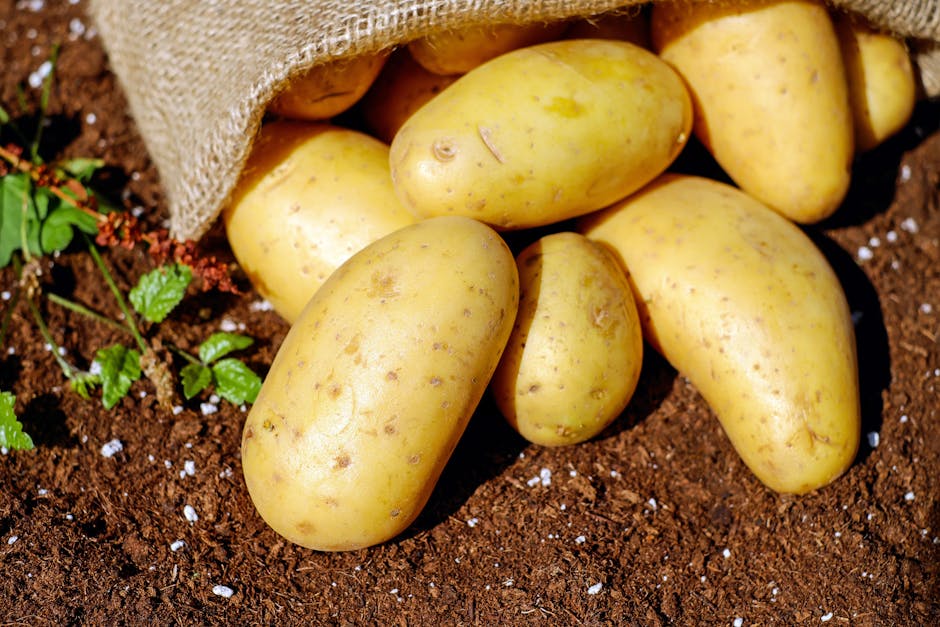
The same trick works for rice, potatoes, and anything else starchy that foams. It won't save you from milk, custard, or a deep pot of oil, and nothing should be left unattended on a stove regardless. But for the specific, weekly, infuriating problem of pasta water going over the side, a wooden spoon is the entire answer.
If your hob still has a faint brown ring on it from the last time this happened, hit the share buttons below and send this to whoever in your house is on pasta duty.