Why Wrapping Banana Stems in Aluminum Foil Doubles Their Shelf Life
For about four years I bought seven bananas every Sunday and threw two or three of them away every Friday. Every single week. I'd buy them slightly green with a whole plan in place, smoothies, oatmeal, one in my bag on the way out the door, and by Thursday they'd be freckled, by Friday they'd be brown and sagging against each other in the bowl, and I'd do the thing where you peel one, decide it's "a bit much," and eat crackers instead.
I also had a freezer drawer with eleven frozen black bananas in it, because throwing them away felt wasteful and I had genuinely convinced myself I was going to bake banana bread. I have never once baked banana bread.
The fix took me forty seconds to learn from a woman restocking the produce shelf at my grocery store. I asked her, half joking, how she kept the display bananas looking so good. She pointed at the little foil caps on the crowns of the bunches in the back and said they wrap the stems. That's it. My bananas now last past a week, and the frozen graveyard in my freezer is gone.
Why the stem is the whole problem
Bananas ripen themselves with ethylene, a gas the fruit produces as it matures. The more ethylene around a banana, the faster it ripens, and the faster it ripens the more ethylene it makes: which is the runaway feedback loop that turns a perfectly good bunch into a brown pile over about 36 hours.
Here's the part that matters: the great majority of that gas escapes from the crown, the thick stem where the bananas join together. It's the only part of the fruit that isn't sealed by peel. So the gas pours out of the stem and then washes straight back down over the fruit hanging beneath it.
Wrap the stem and you physically trap most of that gas at the source. The banana still ripens: it just does it at its own pace instead of being gassed by its neighbors. Tests on this consistently show several extra days, and in my kitchen it's been closer to double.
Step 1: Break the bunch apart
Separate every banana from the bunch before you wrap anything, twisting each one off cleanly at the crown. This feels like extra work and it's the step that makes the biggest difference. A bunch shares one crown, which means one fast-ripening banana gasses all of its siblings through that shared stem. Individually separated bananas each ripen on their own schedule, so instead of all seven going at once, you get a week of bananas arriving one at a time.
Step 2: Wipe each stem dry
Give the cut end of every stem a quick wipe with a paper towel. Fresh breaks weep a little sap, and if you seal that moisture in under foil you get a soft brown mushy stem within two days: which then rots downward into the fruit and completely undoes the point of the exercise. Ten seconds for the whole bunch. If you bought them already separated and the ends are dried over, skip this.

Step 3: Wrap each stem tightly in foil
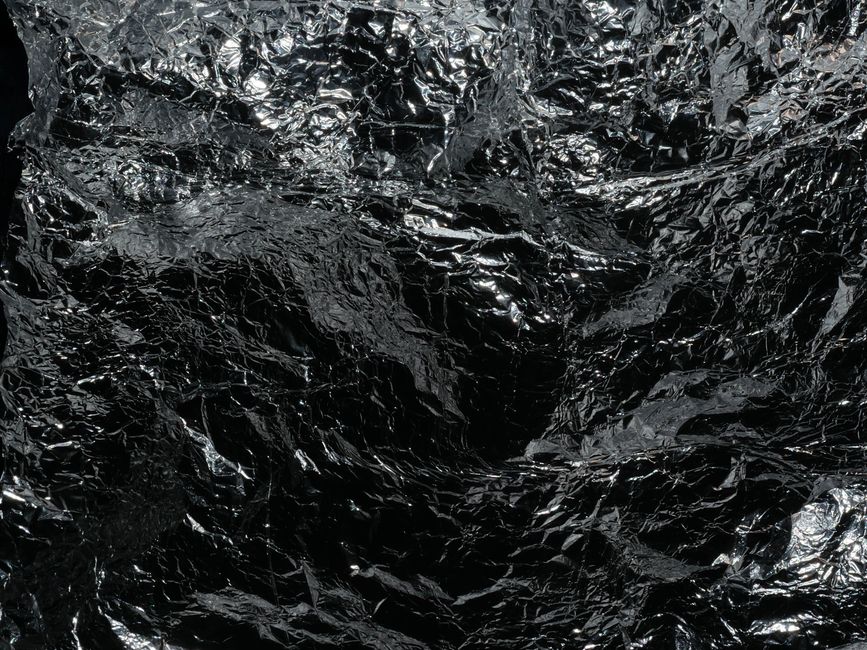
Tear off a strip of aluminum foil about four inches square per banana and mold it snugly around the stem, pressing it down onto the top of the fruit so there are no gaps. Tight matters more than thick: one loose layer with an air channel at the side does very little. Plastic wrap works about as well, but I've settled on foil because it holds its shape, so you can unwrap and re-seal the same cap over and over without it tearing or sticking to itself.
Step 4: Keep them away from the fruit bowl
Store the wrapped bananas on their own, ideally hanging or spread out on a plate, and well away from apples, avocados, tomatoes and pears. Those are all heavy ethylene producers too, and putting them in one bowl means they ripen each other in a little cloud. This is why a fruit bowl looks beautiful for one day and like a compost bin on day four. Bananas also bruise where they rest, and bruised tissue releases more ethylene, so keeping them off a hard surface buys you another day or two on its own.

Step 5: Re-wrap after every banana you take
When you grab one, press the foil cap back down on the ones you leave behind. Obvious, and I still forgot constantly for the first month. An unwrapped stem starts venting immediately, and one banana left open overnight ripens noticeably faster than the ones beside it. It's a two-second habit that decides whether this works or whether you conclude the hack is nonsense.

My Expert Tip: The moment a banana reaches the exact ripeness you like, put it in the fridge: whole, foil still on. The peel will turn dramatically, alarmingly black within a day, and the fruit inside will stay perfect for another five to seven days. That blackening is just cold damage to the skin cells, completely separate from the flesh, and it's why almost everyone refuses to refrigerate bananas: it looks like you've ruined them. You haven't. This is the single biggest extension available and it's free, and it's the reason I stopped losing any bananas at all rather than just fewer of them.
Step 6: Rescue the ones that got ahead of you
If a couple still run past you, peel them, break them into chunks, and freeze them flat on a tray before bagging: not whole and unpeeled in the freezer drawer, which is what I used to do. Peeling a frozen banana is a genuinely unpleasant job and it's the reason my eleven frozen bananas sat there for two years. Chunks that are already peeled go straight into a blender, so they actually get used instead of becoming a guilt exhibit.

What changed in my kitchen
My bananas used to be finished in three to four days. Wrapped and separated, they hold at eating quality for eight to ten, and with the fridge trick on the back end I stopped throwing any away entirely. That's about two bananas a week I was binning: call it $50 a year, which is small, but it's also 100 bananas a year that I bought, carried home, and then put in the trash.
Total effort: roughly forty seconds once a week, and maybe a dollar of foil a year. It's the highest return per second of anything I've changed about how I keep food.
One thing to know: this slows ripening, so if you bought them very green, expect them to take a couple of extra days to get going. If you need them fast, leave one unwrapped next to an apple in a paper bag and it'll be ready by tomorrow.
If there's a browning bunch on your counter right now that you're already writing off, hit the share buttons below and send this to the person in your house who keeps buying seven bananas with a plan.