Why You Should Put a Bar of Irish Spring Soap in Your Car Engine Bay
My car wouldn't start on a Tuesday in January and the tow truck cost me $95 before anyone had even looked at it. The mechanic called two hours later and asked if I wanted to come see something. He had the hood up, and sitting on top of the engine block was a nest, shredded cabin filter, insulation, a surprising amount of dry dog food from a bag in my garage, and a wiring harness with four wires chewed clean through.
Nineteen hundred dollars. For mice. The harness had to be replaced because you can't reliably splice that many conductors in a bundle, and the labor was most of it.
The mechanic said this had become one of the most common jobs he sees in winter, and then he told me what half his regulars do: a bar of Irish Spring, cut up and tied under the hood. I want to be straight with you about how well that works before I tell you how to do it, because the internet is not honest about this one.
Why mice are in your engine at all, and what soap does
An engine bay in winter is the best real estate in your neighborhood if you're a rodent. It's dark, enclosed, sheltered from rain and hawks, and it stays warm for hours after you park. There's insulation and cabin filter material to shred for a nest, and, this is the part that surprises people, a lot of modern wire insulation is made with soy-based compounds, so the wiring itself is edible.
Now the honest part. Strong-smelling soaps are a very widely used folk deterrent, and controlled tests of deterrents in general tend to show modest, temporary effects: rodents dislike an overwhelming unfamiliar smell, then habituate to it. Soap is not a force field. What it plausibly does is make your engine bay less appealing than the other options nearby, and that's a real thing, because a mouse is comparing your car to a woodpile and a neighbor's shed.
I've done this for three winters and haven't had a nest since. I also fixed four other things at the same time, which is the actual answer: the soap is one layer, not the whole plan.
Step 1: Check whether you already have tenants
Open the hood in daylight and look for droppings, shredded material, chewed wire insulation, or a pile of debris tucked against the firewall or on top of the engine. Deterrents do nothing about a colony that's already moved in: you'd be perfuming an occupied house. Check the cabin air filter box too, which is where they love to nest. If you find evidence, get it dealt with properly first, and wear gloves and a mask when clearing out any nest material rather than disturbing it bare-handed.

Step 2: Take away the reason they're in your garage
This matters more than anything else in this article. Get pet food, birdseed, and grass seed into sealed metal or hard plastic containers, and clear out cardboard, rags, and paper piles. My mice weren't attracted to my car, they were attracted to a paper sack of dog food eight feet away, and the car was simply the nicest bedroom near the kitchen. Remove the food and the whole equation changes. Sweep up anything that's spilled while you're in there.
Step 3: Cut the soap up and bag it
Cut one bar into roughly eight chunks and put them into mesh bags: onion bags, old stockings, or drawstring laundry bags all work. Cutting exposes fresh surface, which is where the smell comes from; a whole sealed bar does much less. Bagging is not optional: loose soap slides around, and soap that ends up somewhere it shouldn't is a far more expensive problem than a mouse. Two or three bags per car is plenty.
Step 4: Tie the bags to cool, fixed points: never loose on the engine
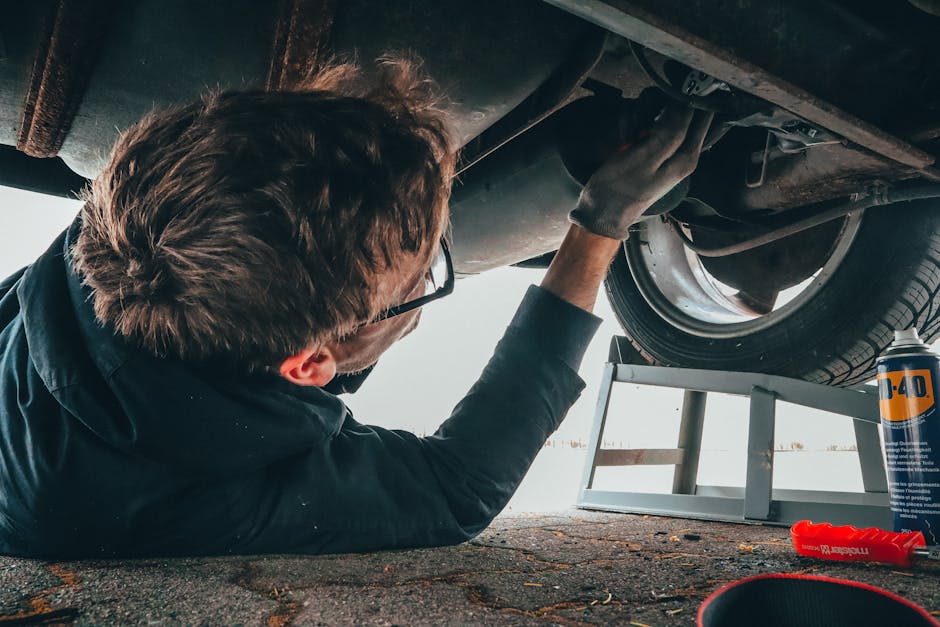
Read this step twice, because the popular version of this hack is genuinely unsafe. With the engine completely cold, zip-tie the bags to fixed structural points near the outer edges of the bay, the strut tower brace, a solid bracket, the underside of the hood liner, and keep them well away from the exhaust manifold, turbo, radiator fan, and anything with a belt or pulley. Soap melts. A bar resting on a hot engine can soften, slump, and drip, and anything that works its way into a serpentine belt or a cooling fan turns a $1.29 experiment into a repair bill. Nothing should be able to fall, slide, or get sucked anywhere. If you can't find a cool, secure mounting point, put the bags on the garage floor around the wheels instead: still useful, zero risk.
My Expert Tip: If the car lives in a garage, leave the hood propped open at night through the cold months, or hang a cheap work light under it. This is what mechanics with storage yards actually do, and in my experience it outperforms every smell-based deterrent by a mile. Rodents choose nesting sites on cover, darkness, and enclosure: an open hood with light in it stops being a sheltered cavity and becomes a windy shelf, and they simply go somewhere else. The soap is arguing with a mouse; an open hood removes the thing it wants. Only do this in a locked garage, obviously, and not in the rain.
Step 5: Replace the soap every four to six weeks
Swap the chunks out roughly monthly, and sooner if they've gone smooth, hard, or damp. The scent fades fast once the surface dries out and glazes over, and a spent bar is doing exactly nothing while giving you the comfortable feeling that you've handled it. Set a recurring reminder on your phone. It takes about two minutes and costs a few cents. Wipe up any soap residue from surfaces while you're in there.
Step 6: Back it up with the things that definitively work
Set snap traps around the car (not inside the engine bay), check under the hood every couple of weeks in winter, and drive the car regularly. A vehicle that gets driven every day rarely gets nested in: heat, vibration, and disturbance are the strongest deterrents that exist. For a car that sits, some owners wrap vulnerable harness sections in capsaicin-treated rodent tape, which is made for exactly this. And park away from woodpiles, long grass, and dumpsters where you can.
What this has been worth to me
A $1.29 bar of soap, about $3 of mesh bags, and roughly ten minutes every six weeks: against a $1,900 wiring harness and a $95 tow. Three winters, no nests, no chewed wires, and I've stopped opening the hood in January with a knot in my stomach.
Do I believe the soap alone did that? No, and I'd be lying if I said so. I moved the dog food, I leave the hood up in the garage, and I drive the car more often than I used to. The soap is the cheapest layer in a stack of layers, and the honest reason to use it is that it costs almost nothing and might help, not that it's proven to work on its own.
One last thing worth knowing: rodent damage to a vehicle is very often covered under comprehensive insurance rather than collision. I didn't know that when mine happened and I ate the whole bill. Call and ask before you pay for one of these yourself.
If your car sits in a garage or a driveway near a woodpile, hit the share buttons below and send this to the friend who parks under a tree: the $1,900 version of this lesson is not worth learning firsthand.